Blog
News and Articles
Latest medical news, useful tips and glimpses from our center's life.
Article
21 Jan, 2026
URINARY TRACT INFECTIONS (UTI)
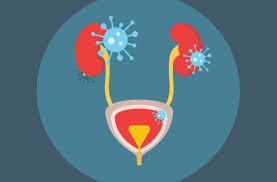
Urinary tract infection (UTI) is a disease in which warning symptoms (kidneys, urinary tract, urinary bladder, and urinary tract) are caused by microbes (usually bacteria). - damage to the urinary bladder or removal path.Upper urinary tract infection (pyelonephritis) - Damage to the upper kidneys, more severe. Symptoms:Pain or burning during urinationThe desire to urinate frequently, but little urine outputPain in lower abdomenCurdy or smelly urineSometimes fever and back pain (especially in kidney infection)Causes:Non-observance of hygieneFrequent in women due to short urethra occurDecreased immunityWalking in the cold or getting cold feetLong retention of urine Treatment:Antibiotics as prescribed by the doctorA lot of fluids drink (to flush out bacteria)Pain-relieving drugs (according to the doctor's advice)Strictly observe hygienePrevention:Drink at least 1.5-2 liters of water every dayDo not hold urine for longAvoid cold carePay attention to personal hygieneProper clothing (natural fabrics, not synthetic)
Read more

Article
21 Jan, 2026
TESTICULAR ABSCESS (ACUTE PURULENT INFLAMMATION)
Gulbonu Sobirovna, [20.09.2024 8:15]Breast abscess (acute purulent inflammation)Scrotal abscess is an acute purulent inflammation of the tissues of the male pelvis and scrotum. The pathological process is relatively rare. At the same time, it poses a serious threat not only to reproductive well-being, but also to men's health in general. The disease develops due to bacterial tissue damage. Mainly against the background of previous wounds and injuries.Flora can be transported in other ways: with blood flow, lymph from a close or distant focus. A special case of the cause is the inflammatory process of testicular tissue. The symptoms are obvious and often very surprising. It is impossible not to notice inflammation. Disruption is accompanied by severe pain and swelling. Diagnosis and treatment is the work of a urologist or urologist-andrologist. Correction is an operation. The pathological condition is treated by surgery.Gulbonu Sobirovna, [20.09.2024 8:15]Treatment of ovarian abscessTreatment of abscess is carried out strictly by surgery. The most favorable time for planning the operation is the initial stage of the disease. If there are no complications and there is no risk of their occurrence. Surgery for a large abscess is aimed at solving several problems:removal of pus, drainage of cavities;treatment of tissues with an antiseptic to prevent infection;restoring the integrity of the blanket in the future, prevention of complications.Additional conservative measures are required after removal. Antibiotics are prescribed according to the instructions, non-steroidal anti-inflammatory drugs are recommended for pain relief;
Read more
Article
21 Jan, 2026
CYSTINE STONES
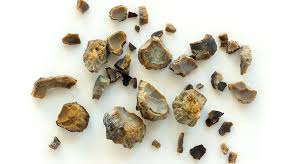
Drinking enough fluids, mostly water, is the most important lifestyle change you can make to prevent cystine stones. Talk to your health care professional about how much fluid you should drink. Remember to also reduce sodium intake. Sodium is salt.Tips for reducing sodium intake:Most Americans consume too much sodium. Adults should aim for less than 2,300 mg per day. One teaspoon of table salt contains 2,325 milligrams (mg) of sodium. If you have calcium oxalate or calcium phosphate stones, you should follow these guidelines even if you take medication to prevent kidney stones.Some tips to help reduce sodium intake:Check the percent daily sodium (%DV) on the Nutrition Facts label of most foods. Low sodium is 5% or less, high sodium is 20% or more.Consider writing down how much sodium you eat each dayWhen eating out, ask about the sodium content of foodCook from scratch. Avoid processed and fast foods, canned soups and vegetables, and lunch meatLook for foods labeled: sodium-free, salt-free, very low sodium, low sodium, reduced or less sodium, light, no salt added, no salt, and lightly salted.
Read more
Article
21 Jan, 2026
WHY ARE KIDNEYS IMPORTANT?
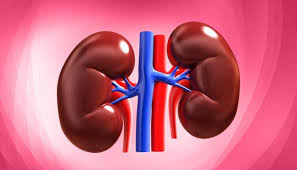
Why are kidneys important?Kidneys remove waste and excess fluid from your body. The kidneys also remove acid produced by your body's cells and maintain a healthy balance of water, salts, and minerals in your blood, such as sodium, calcium, phosphorus, and potassium.Without this balance, the nerves, muscles, and other tissues in your body may not function properly.Your kidneys also produce hormones that control blood pressure and help keep your bones strong and healthy.
Read more
Article
21 Jan, 2026
WHO IS MORE LIKELY TO DEVELOP CHRONIC KIDNEY DISEASE (CKD)?
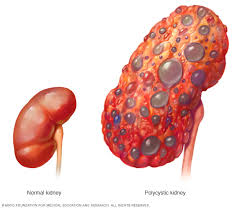
Who is more likely to develop Chronic Kidney Disease (CKD)?If you have kidney disease, you are at riskDiabetes. Diabetes is the main cause of SBK. High blood glucose, also called blood sugar, caused by diabetes can damage the blood vessels in your kidneys. Almost 1 in 3 people with diabetes have SBK.1High blood pressure. High blood pressure is the second leading cause of CHD. Like high blood glucose, high blood pressure can damage the blood vessels in your kidneys. Almost 1 in 5 adults with high blood pressure has SBK.1Heart disease. Studies show a link between kidney disease and heart disease. People with heart disease have a higher risk of kidney disease.People with kidney disease have a higher risk of heart disease. Researchers are working to better understand the link between kidney disease and heart disease.Family history of kidney failure. If your mother, father, sister, or brother has kidney failure, you are at risk for SBK. Kidney disease usually runs in families. If you have kidney disease, encourage family members to get tested. Use the tips in the Family Health Integration guide and talk to your family at special meetings.The risk of kidney disease increases with age.1 The longer you've had diabetes, high blood pressure, or heart disease, the more likely you are to develop kidney disease.African-Americans, Hispanics, and American Indians have a higher risk for SBK.2 The higher risk is mainly in these groups with diabetes and high blood pressure. associated with high blood pressure. Scientists are investigating other reasons for this increased risk.
Read more
Article
21 Jan, 2026
HOW TO REMOVE KIDNEY STONES?
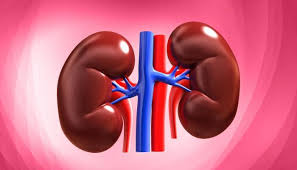
Today, if completely non-invasive methods do not work in medicine, the best way to remove kidney stones is nephrolithotripsy. Percutaneous nephrolithotripsy involves inserting a nephroscope through a small incision in the lumbar region. With the help of a thin tube, the tool is inserted into the kidney cavity, and with the help of a laser, they are crushed into small fractions. They are removed from the organ or naturally.Passing kidney stones can be quite painful, but the stones usually cause no permanent damage if they're recognized in a timely fashion. Depending on your situation, you may need nothing more than to take pain medication and drink lots of water to pass a kidney stone. In other instances — for example, if stones become lodged in the urinary tract, are associated with a urinary infection or cause complications — surgery may be needed.Your doctor may recommend preventive treatment to reduce your risk of recurrent kidney stones if you're at increased risk of developing them again.Products & Services
Read more

Article
21 Jan, 2026
DOES COFFEE CAUSE KIDNEY DISEASE?
Many people cannot imagine missing a cup of coffee in the morning. It provides energy and improves the day. Research shows that 5 out of 10 Americans drink coffee every day. One of the first questions people usually ask when talking about kidney health is, "Should I give up coffee?"Science has studied how coffee affects everything from the immune system to the risk of heart disease and cancer. Most people know that the active chemical in coffee is caffeine, which produces a variety of effects, including stimulating the mind and body, increasing blood pressure, and acting as a diuretic on the urinary tract. But does this mean that coffee affects the kidneys? The short answer is yes, but it may not be as simple as you think. It depends on what kind of coffee you drink, how much and how often.Amount of coffee you drink per dayThe first thing to consider is the nutritional content of coffee. A cup of black coffee contains 116 mg of potassium. It is a low-potassium food. However, many people drink more than one cup of coffee a day. 3-4 cups of coffee per day is high in potassium and can increase potassium levels. Adding cream or milk can increase the potassium content of your coffee even more. Drinking less than three cups of coffee per day is generally considered safe. Black coffee is low in phosphorus, sodium, calories, carbohydrates, and protein and has no nutritional value.Coffee and Kidney DiseaseFor some time, coffee was considered potentially harmful to the kidneys. However, the relationship may be more complicated than first thought. There have been many recent studies on the relationship between coffee consumption and kidney disease, such as a 2008 study in Korea that analyzed the habits of 2,600 women. The result showed a reduction in the prevalence of kidney disease.Another study looked at the Pacific coast of Nicaragua, where coffee-growing villages had a lower prevalence of chronic kidney disease. A 2016 meta-analysis found no association between increased coffee consumption and kidney disease in men, but a reduced risk in women.Thus, contrary to previous thinking, coffee may play a protective role in kidney disease. However, its effectiveness and mechanism are not fully understood. Some believe that coffee's antioxidant effects may play a role. Therefore, patients with kidney stones, especially those with calcium oxalate stones, may still see coffee as a possible risk factor.
Read more
Article
21 Jan, 2026
HOW DO KIDNEY STONES FORM?
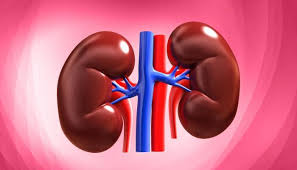
Kidney stones are small "stones" composed mainly of minerals such as calcium and other components that accumulate in the urinary tract.Urine normally filters out excess salts, minerals, and waste products that result from the metabolic processes of building and breaking down proteins in the body. But if there is too much waste and not enough fluid to dilute it, crystals can develop and combine with other elements to form a stone.That's why drinking enough water and high urination are very important. Crystals or stones are less likely to form if you dilute your urine by drinking water or almost any other liquid. If urine is yellow or orange in color, this is a sign that you are dehydrated and need more fluids. The color of your urine determines whether you are drinking enough water. If your urine is light in color, then you are consuming enough water.
Read more